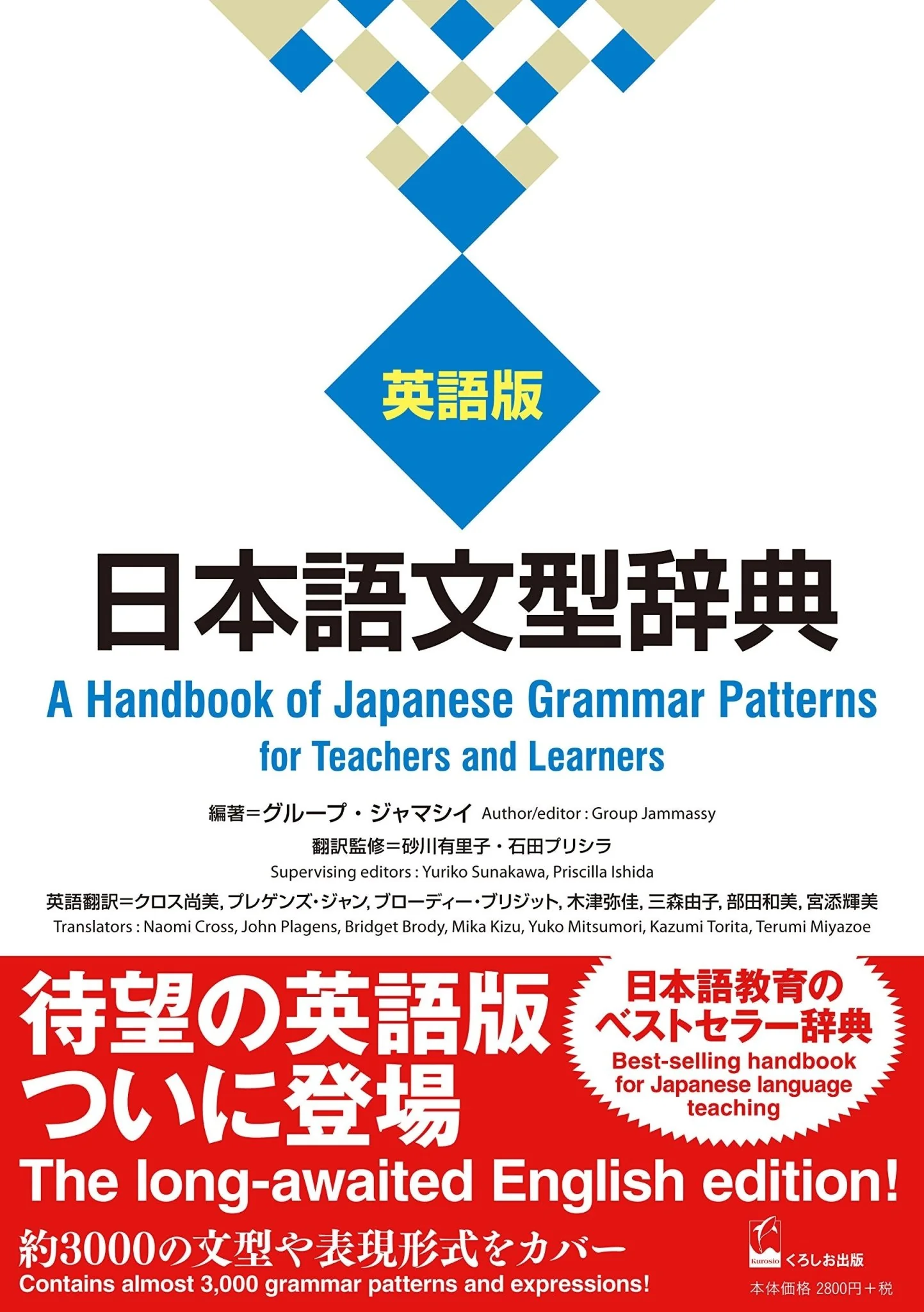
Handbook of Japanese Grammar Patterns (English Edition)
Product Description
Since its first publication in 1998, this comprehensive dictionary of Japanese sentence patterns has been cherished by Japanese language teachers and learners as a classic reference. Now available in a much‑anticipated English edition, it offers clear, detailed explanations of approximately 3,000 patterns, supported by a wide variety of practical example sentences. It is also ideal for preparation for the Japanese Language Proficiency Test (JLPT).
The dictionary covers around 3,000 sentence patterns, providing as many example sentences as possible so that learners can fully understand how each pattern is used. It carefully explains the structure of each pattern, typical usage situations, and how to distinguish between similar expressions, and it highlights common pitfalls with illustrative incorrect examples where useful. Colloquial forms such as “kke” and “kko nai,” which are frequently heard in everyday speech, are also extensively included.
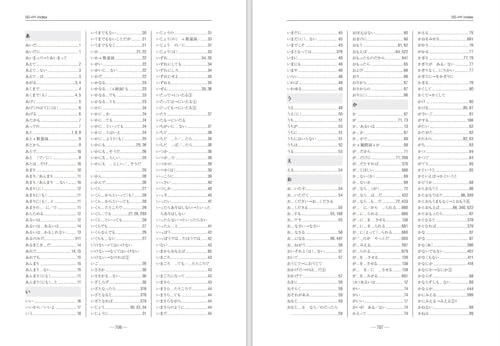
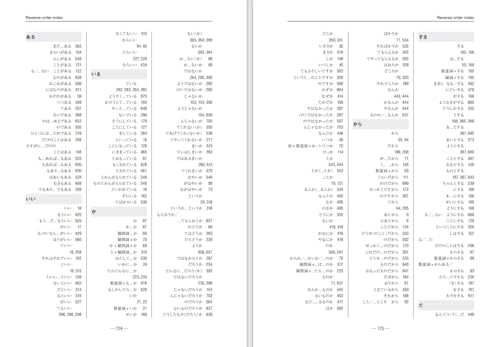
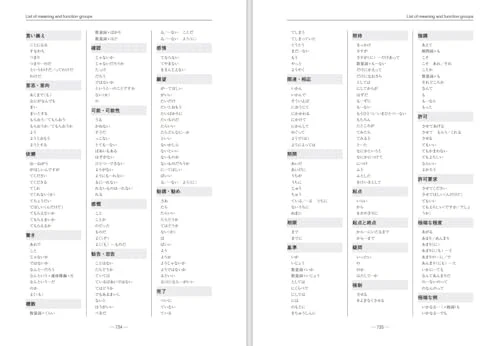
All example sentences come with full furigana and English translation, and all explanations are also translated into English, making the book accessible even to those who cannot yet read Japanese confidently. Three different indexes—by gojuon order, by final element, and by meaning/function—ensure that users can quickly find the patterns they need for study, teaching, or test preparation.
Description
Product Description
Since its first publication in 1998, this comprehensive dictionary of Japanese sentence patterns has been cherished by Japanese language teachers and learners as a classic reference. Now available in a much‑anticipated English edition, it offers clear, detailed explanations of approximately 3,000 patterns, supported by a wide variety of practical example sentences. It is also ideal for preparation for the Japanese Language Proficiency Test (JLPT).
The dictionary covers around 3,000 sentence patterns, providing as many example sentences as possible so that learners can fully understand how each pattern is used. It carefully explains the structure of each pattern, typical usage situations, and how to distinguish between similar expressions, and it highlights common pitfalls with illustrative incorrect examples where useful. Colloquial forms such as “kke” and “kko nai,” which are frequently heard in everyday speech, are also extensively included.
All example sentences come with full furigana and English translation, and all explanations are also translated into English, making the book accessible even to those who cannot yet read Japanese confidently. Three different indexes—by gojuon order, by final element, and by meaning/function—ensure that users can quickly find the patterns they need for study, teaching, or test preparation.